
Tiling planned from substrate to final line.
Tiling in a wet area depends on what happens before the tiles go on: the substrate needs to be sound and level, and any waterproof membrane needs to fully cure, and often be inspected, before tiling starts. A splashback or dry-area tiling job has fewer steps, but layout, cuts and the surfaces the tiling meets still shape the result.
99.4%from 8 authenticated NoCowboys ratings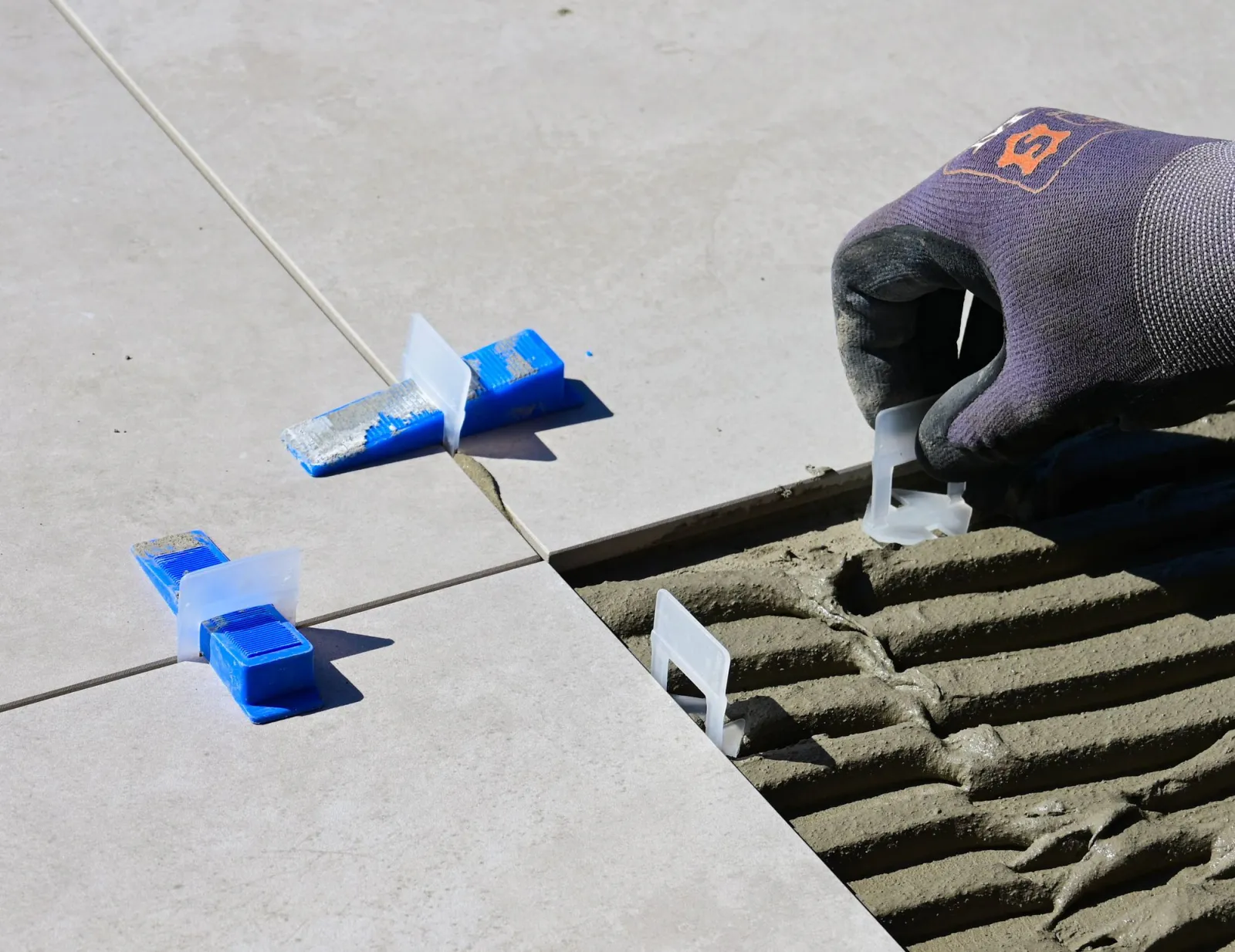
What's included.
Second to None provides tiling work in Auckland for kitchens, bathrooms and other agreed interior surfaces. A useful scope considers the existing substrate, layout, tile format, transitions and connected painting or carpentry before the visible tile pattern is treated as the whole job.
Kitchen splashbacks and connected wall finishes.
Bathroom wall or floor tiling within a confirmed renovation scope.
Tile replacement and repair where the existing condition permits.
Transitions to painted, trimmed or adjoining surfaces.
Grout and silicone renewal where the substrate and tiles are otherwise sound.
Large-format and feature tiling where the substrate can support it.
From first message to finished.
- 1
Inspect the surface
The substrate, level, transitions and current condition need to suit the intended tiling work. In a wet area this includes confirming the waterproofing sits underneath, not being treated as an afterthought.
- 2
Set the layout
Tile format, cuts and visual alignment are considered before installation begins, including how the pattern meets corners, fixtures and adjoining surfaces.
- 3
Finish the edges
Grout, trim and adjoining painted or carpentry details are completed as part of the agreed sequence, once any wet-area membrane has had the time it needs to cure.
Tell us the job. Get a straight answer.
The fastest route is a text saying your suburb and what needs attention. Call if you would rather talk it through. Use the form if the job has more moving parts than a message can carry.
Good to know.
Can a tile photo produce a full quote?
A tile choice is only one part of the scope. Dimensions, substrate condition, whether waterproofing is involved, pattern, access and edge details also affect the work.
Can tiling be coordinated with painting?
Yes, when both are included in the agreed job. The order depends on the room and the surfaces that meet, and in a wet area also depends on when the waterproofing has cured.
What should I have ready for a site visit?
Any tile reference, approximate dimensions, photos and a note about what is being removed or retained will make the visit more useful.
Why does bathroom tiling take longer than a splashback?
A wet-area job needs a waterproof membrane installed and cured before tiling can start, which the splashback or a dry-area wall does not need. That curing time is part of the schedule, not an optional extra.
Can grout and silicone be renewed without retiling?
Where the tiles and substrate are still sound, yes. Renewing grout and silicone is a smaller job than retiling and can extend the life of an otherwise good wet area.
Are large-format tiles harder to install?
They need a flatter, more carefully prepared substrate than small tiles, since any unevenness shows more on a bigger tile. That preparation is confirmed before the tile format is finalised.
Can you match existing tiles for a small repair?
Where the existing tile is still available or a close match can be sourced, a small repair or replacement is possible. Where it cannot be matched, that is discussed before the work is confirmed.
Is tile supply included in a tiling quote?
That depends on the agreed scope. Tiles can be supplied by the homeowner or sourced as part of the job, and either way the format and quantity are confirmed against the measured area before work starts.
What changes the price?
- Wet area vs dry area
- Bathroom and other wet-area tiling depends on a waterproof membrane being installed and fully cured underneath, which the Building Code's E3 wet-area requirements are built around. Splashback and dry-area tiling does not carry that step, which changes the timeline and sequencing.
- Substrate condition
- An uneven, damaged or previously tiled substrate needs levelling or preparation before new tiles can sit correctly. A sound, flat substrate needs far less work to get ready.
- Tile size and format
- Large-format tiles need a flatter substrate and different setting technique than small mosaic or subway tiles, which affects both material use and time on the tools.
- Layout complexity
- Feature walls, pattern tiling, niches and multiple internal or external corners add cutting and layout time compared with a straightforward rectangular area.
- Connected trades
- Where tiling meets painted walls, cabinetry or carpentry, the order those trades happen in and how cleanly they meet affects both the finish and the time needed to sequence the job.
Anything different about Auckland homes?
- Waterproofing comes before tiling, not alongside it
- The Building Code's E3 internal moisture provisions require wet-area surfaces to be impervious and properly sealed. In practice that means the waterproof membrane goes down, is given time to cure, and is often checked before tiling starts, rather than being tiled over while still curing.
- Older Auckland bathrooms
- Many older Auckland bathrooms were tiled directly over substrates that would not meet a current wet-area waterproofing approach. A renovation that reuses the existing tiled area is a different scope to one that strips back to the substrate and reinstalls a proper membrane first.
- Getting a comparable quote
- Consumer NZ's guidance on renovation quotes is to get an itemised breakdown so it is clear what is included, since a tiling quote that does not separate substrate preparation, waterproofing and the tiling itself is harder to compare against another quote for the same room.
- When a tile refresh is enough
- Not every tired-looking wet area needs a full strip-out. Where the substrate and waterproofing are sound, renewing grout and silicone, or replacing a small number of damaged tiles, can refresh the room without disturbing a membrane that is still doing its job.