
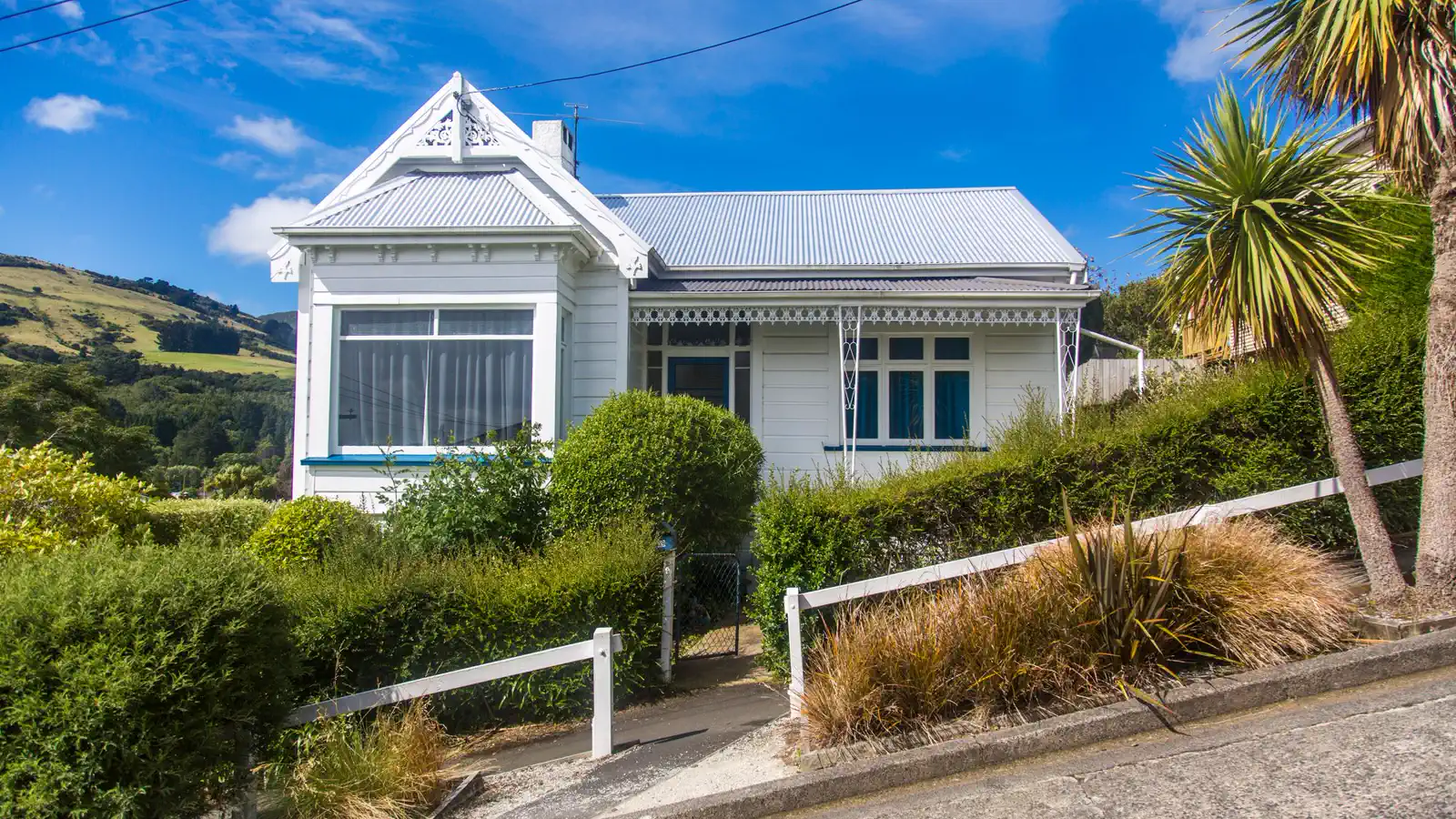
The best time to paint your house exterior in Auckland is late spring through to early autumn, roughly November to March, in a settled run of dry weather. Within that window, the best days are mild, dry and still, with no rain forecast for at least a day or two.
Auckland weather does not follow a tidy calendar, so a good week matters more than a good month. Here is how to pick one.
What month is best to paint a house exterior in Auckland?
Late spring and summer give you the longest stretch of dry, warm days, which is what exterior paint needs to dry and bond properly. November through to March suits most houses.
Paint makers print a temperature range on the tin, and the general advice is the same everywhere: paint when the air and the surface are mild, not cold and not baking hot. Resene publishes guidance for homeowners on its homeowner pages.
This is how the seasons tend to look for a painter in this city:
| Season | What helps | What gets in the way |
|---|---|---|
| Spring (September to November) | Warming days, long light | Showers that arrive without warning, damp mornings |
| Summer (December to February) | Long dry spells, quick drying | Strong sun on north and west walls, humidity |
| Autumn (March to May) | Mild temperatures, calm days | Heavy dew, shorter days, the first wet fronts |
| Winter (June to August) | Occasional clear, still days | Cold surfaces, long drying times, rain |
Late spring and early autumn are often the nicest of all. The sun is not harsh, the days are mild, and the paint can dry slowly and evenly.
Why does Auckland's weather make timing so important?
Auckland is humid and changeable, and wet winters shorten the real painting season to roughly late spring through autumn. Paint that gets rained on before it has cured can streak, spot or lose its bond with the surface underneath.
Humidity matters even when it is not raining. On a damp day paint takes longer to dry and stays tacky for longer, which means dust, insects and salt can stick to it. If you live near the harbour or on the west coast, wind carries fine salt onto your walls, and wet paint holds on to it.
You can read the climate background on the NIWA site and check the forecast for your suburb on MetService. The forecast is the most useful tool a painter has.
Can you paint a house exterior in winter in Auckland?
You can, but it is harder, and the paint has less room for error. Cold surfaces slow drying, and the short days mean the paint may not have dried before the evening dew settles on it.
Winter painting works when you get a run of clear, still days, which does happen in Auckland, especially after a southerly clears through. A few things have to line up:
- The walls are fully dry, not just dry on top.
- The air is above the minimum temperature on the paint tin.
- There is no rain forecast for long enough that the paint can cure.
- The painter starts late enough for the dew to lift and stops early enough for the paint to set before dusk.
If the job is urgent, for example flaking paint that is letting water into the boards, winter painting is far better than waiting and letting damage spread. If it is purely cosmetic, waiting for spring is usually the better choice.
Is it too hot to paint in summer?
Yes, it can be. Direct summer sun on a north or west wall can heat the surface well beyond the air temperature, and paint applied to a hot wall dries too fast.
Paint that dries too fast can show brush marks and roller lines, and it may not flow out smoothly. It can also blister or bond poorly. Painters deal with this by following the shade around the house, working on the shaded walls in the heat of the day and moving to the sunny walls early in the morning or later in the afternoon.
Strong UV is one of the hardest tests for exterior paint in Auckland, so a summer job still has plenty going for it. It just needs to be planned around the sun, not only the date.
Does the time of day matter?
It does. In Auckland, mid-morning to mid-afternoon is usually the best window, once the dew has dried and before the evening damp returns.
Painting too early means the wall may still be wet underneath, even if it looks dry. Painting too late means the paint has not dried before the dew arrives, and a wet film can pick up moisture overnight, leaving a dull or patchy finish.
A simple check you can do yourself is to run your hand over the boards at the time you plan to start. If the surface feels cool and damp, it is too early.
What about the weather in the days after painting?
The days after matter as much as the days during. Fresh exterior paint usually dries to the touch within hours, but it takes longer to cure fully, and rain in that time can mark it.
A forecast with one sunny day followed by a week of rain is a poor choice. A settled spell of three or four dry days is much better. If you are choosing a start date, look at the whole week, not just the first day.
Should you do the prep work in a different season to the painting?
Often, yes. Good prep is what makes a paint job last, and some of it can be done before the painting weather arrives.
Washing the house, scraping loose paint and repairing rotten boards all work well in the cooler months, as long as the surfaces are dry before any paint goes on. Doing the carpentry early gives new timber time to dry out and settle before it is painted.
Auckland houses give you plenty to look at in the prep stage:
- Mould on shaded south walls. Humid summers and little direct sun mean mould grows readily on the south side. It needs to be washed off and treated, not painted over.
- Chalky paint. Run a hand over the boards. If a pale powder comes off on your skin, the old paint is breaking down and the surface needs proper cleaning first.
- Soft timber. Press a screwdriver into window sills and the bottom edges of weatherboards. If it sinks in easily, the timber is rotten and needs repair, not paint.
- Old paint layers. Villas and bungalows often have many coats built up over decades, which can crack and peel in sheets.
For more on how weatherboard behaves under paint, see our post on whether you can paint weatherboard.
How do you know your house is due for a repaint?
Look at your house in good light and check for fading, chalking, cracks, peeling, bare timber and mould that returns quickly after washing.
If you are not sure how long your last paint job should last, our post on how often to repaint a house in Auckland goes through it. The short version is that sun, salt and shade all shorten the life of paint, and the south and west walls usually give up first.
It is better to repaint when the paint is starting to fail than after it has failed. Repainting early means less repair work, and the old paint still gives the new coat something sound to hold on to.
What affects the cost of painting at different times of year?
Timing can change what a job involves, but it is not the main driver of price. The things that move the cost are the same all year round.
- Access. Two-storey houses, steep sections and tight gaps between neighbours need scaffolding or a more careful setup.
- Condition. Flaking paint, mould and old layers need more preparation than a house in good shape.
- Size. A bigger house with more wall area takes more time and more paint.
- Number of coats. Bare timber or a big colour change usually needs more than two coats.
- Repairs found. Rotten boards, damaged sills and cracked plaster have to be fixed before painting, and the full extent often shows only once the old paint comes off.
Busy months can mean a longer wait for a start date. Quieter times, such as early spring or late autumn, may be easier to book, though they depend on the weather. Our house painting cost guide explains how these factors add up.
Do you need consent to repaint your house?
Plain repainting does not usually need building consent, but repairs, cladding replacement and structural work can. Check before you start, because the rules depend on what is being done.
The building.govt.nz consent guide explains the basics in plain terms. If your house is heritage listed, the Heritage New Zealand site is worth a look, and your local council can tell you whether any extra rules apply to your street.
When should you get a professional to paint your house?
Get a professional when the job involves height, a lot of repair work, or old paint that may contain lead. Painting a single-storey house in good condition is something a handy homeowner can do, but there is a point where it stops being sensible.
A few clear signs it is time to call someone:
- You need scaffolding, or a ladder on steep ground.
- The house was built before the 1980s and the paint is peeling. Old layers can contain lead, and sanding or scraping them creates dust you should not breathe in. WorkSafe is the place to start for safety at height and around hazardous dust.
- There are rotten boards, damaged sills or cracked plaster to repair first.
- You do not have a free run of good weather to finish in one go.
If you hire someone, ask what is included, in writing. That means the washing, the repairs, the number of coats, the paint brand and what happens if the weather turns. A clear written scope makes it easy to compare one painter with another.
Our painting service covers full exterior repaints, including the preparation and repair work that decides how long the finish lasts.
So when should you book?
If your house is showing wear, start planning in late winter or early spring. That gives you time to get the prep done, choose colours and book a start date for a settled spell from November on.
If your paint is already failing and letting water in, do not wait for the perfect month. A dry, mild winter week is far better than another season of rain soaking into bare timber.
Text us your suburb and the job, and we will get back to you about the best timing for your house.
What we do about this
Want this done on your place?
Text the suburb and what needs doing. Photos help. We will tell you straight what is involved.